
Monday, November 15, 2010

Sunday, November 14, 2010
Sunday, June 20, 2010
Stringybarks
There are two stringybarks in this patch of scrub.
Eucalyptus baxteri is known locally as the Grey Stringybark and occurs on shallow soils.
It is the tall grey stringy barked tree featured in this photo.

Not so evident here (looking out from the kitchen sink window :)) is the Messmate Stringybar, Eucalyptus obliqua, which is low growing and straggly , at least it is here.
As I drive around the area I am seeing many dead Greys, which locals say is a result of the dry conditions of the last few years.
This year is shaping up well for rain at least, so let's hope they hold their own and even make a few gains, for a while.
These tall trees are flowering right now and the canopy is alive with birds that I am hearing clearly, seeing often, but having lots of trouble photographing.
There are small birds ... silvereyes, thornbills, a range of honey eaters and pardalotes.

The treecreepers spend their time on the trunks, poking around under the bark.
There are larger birds as well; magpies, lorikeets, rosellas, cockatoos, currawongs and kookaburras.
The "hill" really is alive with music and colour
:)

Eucalyptus baxteri is known locally as the Grey Stringybark and occurs on shallow soils.
It is the tall grey stringy barked tree featured in this photo.

Not so evident here (looking out from the kitchen sink window :)) is the Messmate Stringybar, Eucalyptus obliqua, which is low growing and straggly , at least it is here.
As I drive around the area I am seeing many dead Greys, which locals say is a result of the dry conditions of the last few years.
This year is shaping up well for rain at least, so let's hope they hold their own and even make a few gains, for a while.
These tall trees are flowering right now and the canopy is alive with birds that I am hearing clearly, seeing often, but having lots of trouble photographing.
There are small birds ... silvereyes, thornbills, a range of honey eaters and pardalotes.

The treecreepers spend their time on the trunks, poking around under the bark.
There are larger birds as well; magpies, lorikeets, rosellas, cockatoos, currawongs and kookaburras.
The "hill" really is alive with music and colour
:)

Saturday, June 19, 2010
A native grass; not just new to ME.
"The tall native grass growing along the bank on your block has been identified in Melbourne as Dichelachne hirtella, not even recorded for South Australia... so cherish that one... RB"
More here,
http://www.anbg.gov.au/cgi-bin/apx?taxon_id=64957
and here, which map does seem to have a record of it on the Flerieu Peninsula, hmmmm.
http://www.anbg.gov.au/cgi-bin/map/winmap?taxon_id=64957
http://tropicos.org/name/25557811
http://plantnet.rbgsyd.nsw.gov.au/cgi-bin/NSWfl.pl?page=nswfl&lvl=sp&name=Dichelachne~hirtella
... still looking ... oh!
GOLD!
http://www.kew.org/data/grasses-db/www/imp02783.htm
More here,
http://www.anbg.gov.au/cgi-bin/apx?taxon_id=64957
and here, which map does seem to have a record of it on the Flerieu Peninsula, hmmmm.
http://www.anbg.gov.au/cgi-bin/map/winmap?taxon_id=64957
http://tropicos.org/name/25557811
http://plantnet.rbgsyd.nsw.gov.au/cgi-bin/NSWfl.pl?page=nswfl&lvl=sp&name=Dichelachne~hirtella
... still looking ... oh!
GOLD!
http://www.kew.org/data/grasses-db/www/imp02783.htm
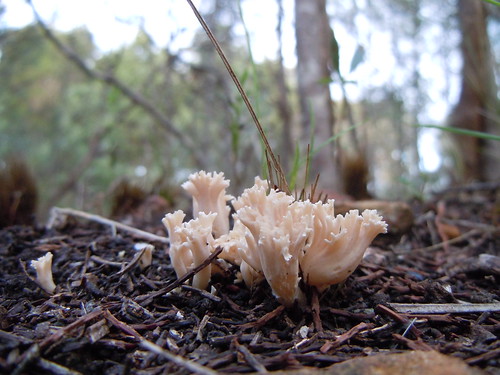
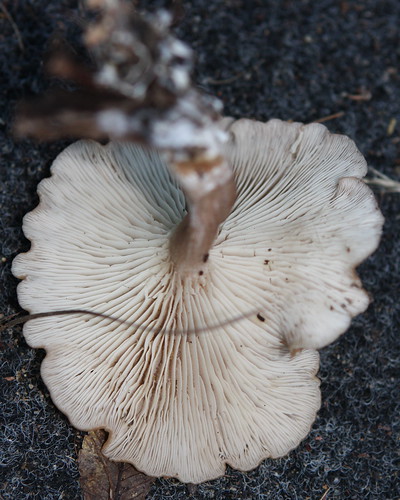
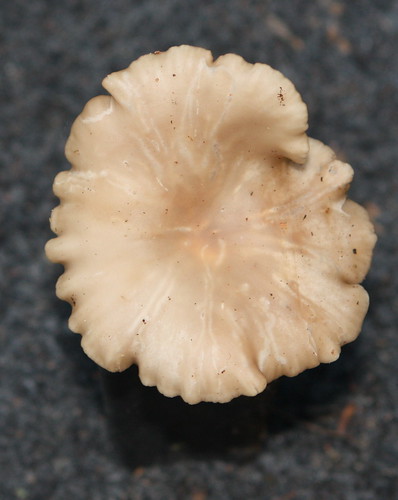
Coral Fungi
Here are three photos of the Coral Fungus I have here.
One photo was taken last year, so it is good to know it is back again.
I believe it is a Ramaria sp, but more than that I do not know ... yet.
Once again, any offers of further help with identifying these gorgeous things would be appreciated.


One photo was taken last year, so it is good to know it is back again.
I believe it is a Ramaria sp, but more than that I do not know ... yet.
Once again, any offers of further help with identifying these gorgeous things would be appreciated.


Hydnellum peckii in Australia?

Three weeks ago, while lying flat and trying to photograph this group of fungi, I noticed something bright a little distance away to the upper right.
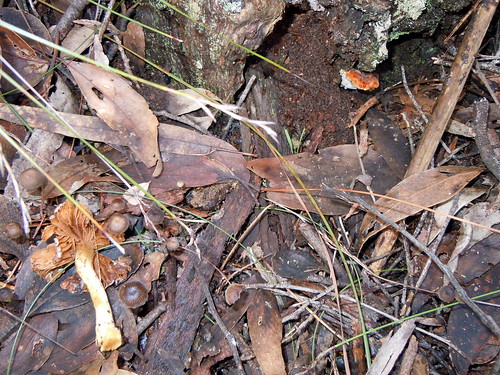
It was small, only about 1" or 5cm across, but a clear, bright red; very striking.
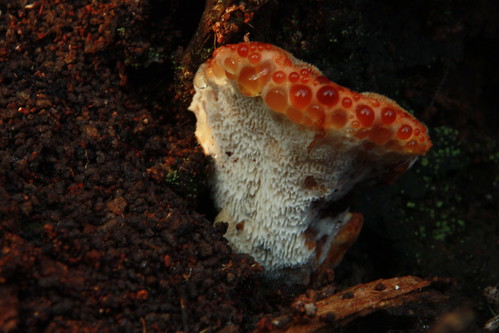
I have been doing my best to photograph it well, and this is my best effort so far. :)
I love it BUT have not been able to find any references to it in Australia.
The hunt continues.
Any clues would be gratefully received.
Subscribe to:
Posts (Atom)